
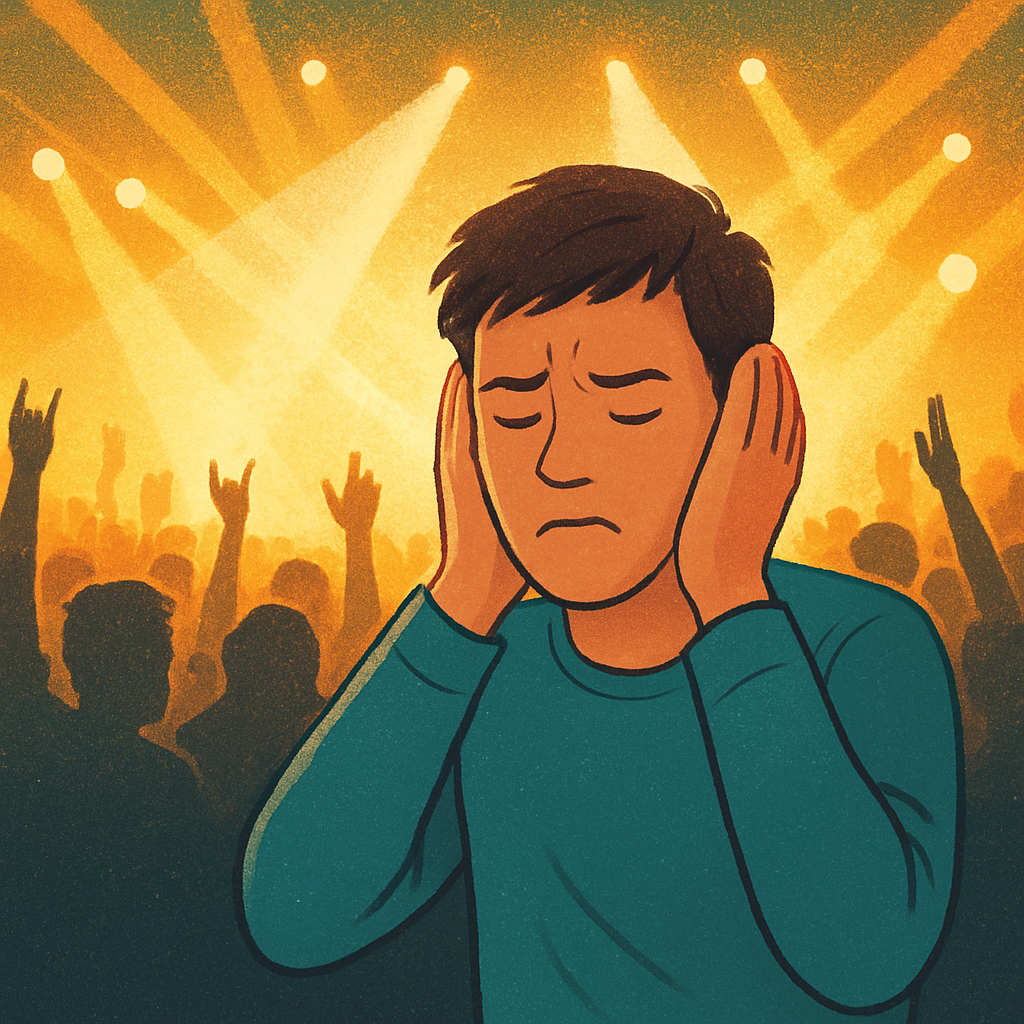
Ever walked out of a sold-out concert and found that the music is still buzzing in your head like a stray radio signal? If you have experienced ringing ears after concert, you are not alone.
Large crowds, amplified speakers, and extended exposure to loud music can overload the delicate structures of the inner ear. That lingering high-pitched hum can make it difficult to relax or fall asleep, especially in a quiet bedroom where every sound feels amplified.
Author bio:
Alex Morgan is a health writer specialising in hearing health, sleep, and noise exposure. His work focuses on translating public-health guidance and peer-reviewed research into practical, everyday information.
The World Health Organization warns that repeated exposure to sound levels above 85 dB increases the risk of permanent hearing damage and tinnitus, particularly when recovery time between exposures is limited (https://www.who.int/europe/news-room/fact-sheets/item/noise).
According to the latest data reported under the EU Environmental Noise Directive, more than 20 million people are highly annoyed and almost 7 million are highly sleep disturbed by long-term exposure to transport noise in Europe. | SOURCE: https://www.eea.europa.eu/en/analysis/indicators/health-impacts-of-exposure-to-1
In the rest of this guide we’ll walk through practical steps to prevent that post‑concert buzz, how to choose earplugs that don’t muffle the music, and tips for soothing your ears when the ringing does appear. Ready to protect your hearing without missing the magic?
TL;DR
If you’ve ever woken up with ringing ears after concert, we’ve broken down why it happens and how simple ear‑plug solutions can quiet the buzz.
Follow our quick guide to protect your hearing, choose high‑fidelity silicone plugs, and fall asleep faster without sacrificing the live‑music magic again tonight for you.
Step 1: Assess the ringing and protect your hearing
After leaving a gig, a persistent ringing sound is often a sign that the auditory system has been overstimulated. Loud frequencies can temporarily overwhelm the tiny hair cells inside the cochlea, causing them to fire irregularly until they recover.
A useful first step is a brief self-check. Notice whether the sound is steady, pulsing, or whistling, and how long it lasts. Research shows that short-term exposure to very high sound levels at concerts can cause acute hearing loss and tinnitus, often centred around specific frequencies.
STUDY: https://pubmed.ncbi.nlm.nih.gov/10615655/ | CONCLUSION: A retrospective series of 24 patients showed that short-term exposure to very high sound levels from rock or pop concerts and similar amplified music events can cause acute hearing loss and tinnitus, typically with a 40–60 dB loss at 3–4 kHz.
According to a clinical audiologist, “Your ears have an early warning system – if you experience a ringing sound after exposure to loud music, you have probably already started to damage your hearing.”
Find a quiet place and sit still for a minute. If the sound is noticeable even in silence, that establishes a baseline. Writing down intensity and duration can help you see whether symptoms are improving over time.
For additional guidance on recovery and prevention strategies, see /related-topic/.
Measure the intensity
Grab a quiet spot – a bedroom or a sofa away from the street – and sit still for a minute. Close your eyes and focus on the sound inside your head. If you can still hear it when the room is silent, that’s your baseline.
Tip: jot down a quick note on your phone: “ringing level 4/10 at 2 am”. Tracking it helps you see patterns over multiple concerts.
Protect before you rest
Reducing further noise exposure is key. Avoid turning up televisions or phones to mask the ringing, as this can prolong stimulation. Instead, keep the environment calm and allow the auditory system to settle.
Gentle relaxation techniques, such as light temple massage or slow breathing, may help reduce tension that makes ringing feel more intrusive. Staying hydrated and avoiding caffeine or alcohol for a day can also support recovery.
Now, let’s talk about what to avoid. Skip the habit of turning the TV or phone up to drown out the ringing – that just trains your brain to focus on the noise. Instead, opt for a calming soundscape at a low volume, like rain or white noise, which can mask the tinnitus without further stressing your cochlea.
Quick decision table
| Assessment Tool | How to Use | What It Tells You |
|---|---|---|
| Self‑rating scale (0‑10) | Note the intensity every hour | Tracks if ringing is improving or worsening |
| Quiet‑room test | Sit in silence for 1 min, close eyes | Confirms if the buzz persists in a silent environment |
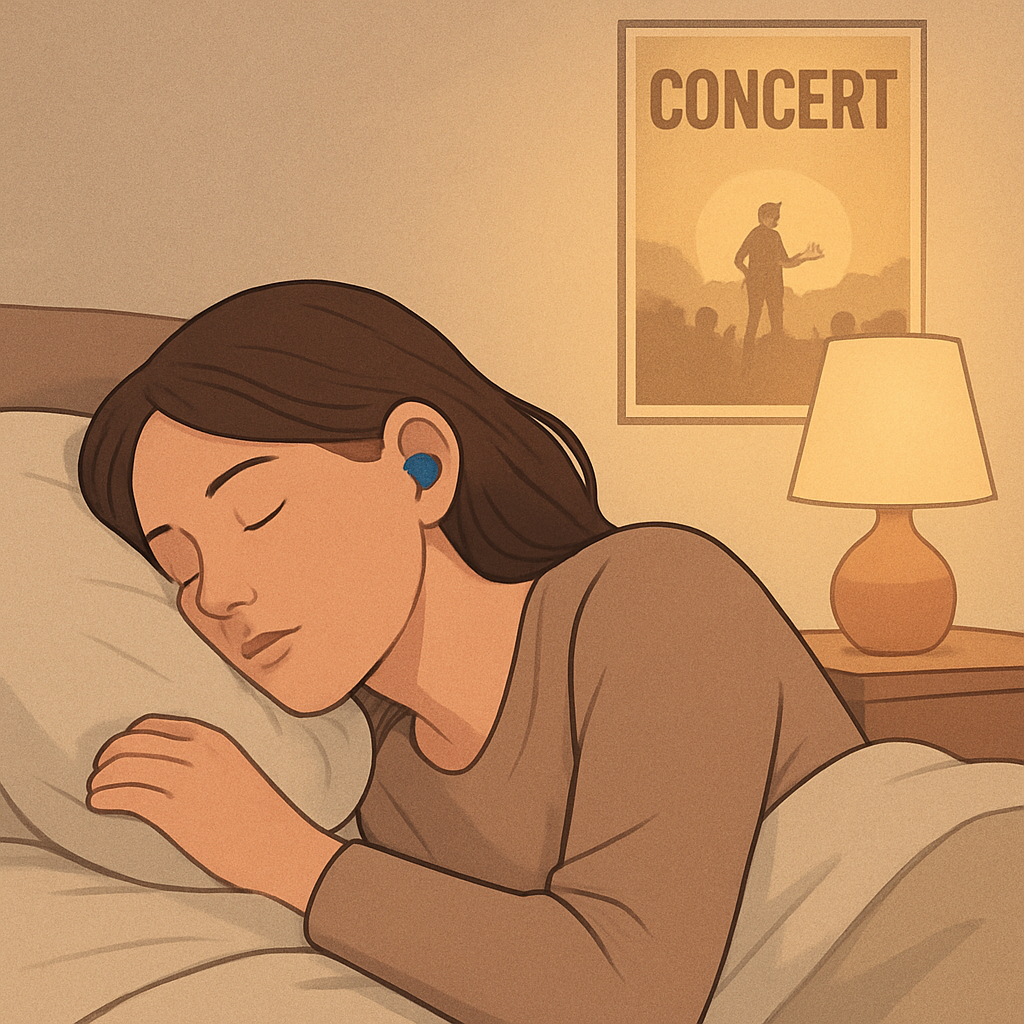
| Earplug trial | Wear silicone plugs for 30 min before sleep | Reduces exposure, speeds up recovery |
So, what’s the next step? Keep a simple log, use the plugs, and give your ears the downtime they deserve. If the ringing lingers beyond 24 hours, it might be worth chatting with a hearing professional – it’s better to be safe than sorry.
Remember, the goal isn’t to eliminate every sound, but to protect your hearing so you can keep enjoying live music without the next‑day buzz.
Conclusion
A temporary ringing sensation after a loud event is your body’s signal that your hearing needs time to recover. When managed properly, ringing ears after concert experiences often fade within 24–48 hours.
If symptoms persist beyond two days, or if you notice changes in hearing clarity, seeking advice from the NHS, your GP, or an audiologist is advisable. Surveys from Tinnitus UK indicate that more than one in three people attribute their tinnitus to loud noise exposure, underscoring the importance of early attention. | SOURCE: https://tinnitus.org.uk/wp-content/uploads/2023/01/A-lot-to-lose-FINAL.pdf
Listening to these warning signs and giving your ears regular recovery time allows you to continue enjoying live music while protecting your long-term hearing health.
FAQ
Why do my ears ring after loud music?
Excessive sound levels overstimulate the hair cells in the inner ear. Until they recover, the brain may perceive a ringing or buzzing sensation.
How long should temporary ringing last?
For most people it fades within 24–48 hours. Persistence beyond this window should be checked by a healthcare professional.
What increases the risk of permanent damage?
Frequent exposure to loud environments without adequate recovery time raises the risk of lasting hearing loss or tinnitus.
When should I seek medical advice?
If ringing lasts more than two days, worsens, or is accompanied by hearing loss or pain, consult the NHS, your GP, or a qualified audiologist.
Medically informed content: Written using current WHO guidance, NHS data, and peer-reviewed clinical research (2024).
Medical disclaimer: This content is for informational purposes only and does not constitute medical advice. For diagnosis, treatment, or personal medical concerns, consult the NHS, your GP, or a qualified healthcare professional.