
Ever walked out of a gig feeling like your ears are still buzzing, then struggled to drift off because the after-effects linger?
We get it – the thrill of live music is priceless, but the ringing that follows can sabotage your sleep, especially if you’re a side sleeper battling a partner’s snore or a neighbour’s late-night rehearsals.
STAT: WHO estimates that over one billion young people globally are at risk of hearing loss due to avoidable recreational sound exposure, including listening to loud music at entertainment venues and events. | SOURCE:
https://www.who.int/news-room/feature-stories/detail/who-hearing-guidelines-implemented-at-major-arts-festival
That’s why we’ve spent years testing earplugs that protect your hearing without muting the music you love. In our experience, silicone plugs that filter high frequencies keep the rhythm clear while cutting the harmful decibels.
According to the NHS, prolonged exposure to loud music can lead to permanent hearing loss (Source: NHS, 2024). And if you’ve ever tried cheap foam plugs, you know they can feel like cotton wool and ruin the nuance of a violin solo.
What makes a pair right for musicians isn’t just the dB reduction rating; it’s the ability to stay comfortable during long rehearsals and still let you hear your own instrument clearly. That’s where high-fidelity designs shine.
EXPERT: “Musician earplugs are custom-made earplug moulds intended to protect hearing while also allowing as much natural sound as possible to safely enter the ear.” | CREDENTIAL: (National Institute on Deafness and Other Communication Disorders, U.S. National Institutes of Health)
We often hear from festival-goers who say the next morning feels like they’ve been hit by a truck. A simple swap to well-fitted silicone plugs can turn that truck into a smooth ride – you wake up refreshed, not rattled.
Curious how to pick the perfect pair if you lie on your side? Focus on shape, material and fit so you can stay comfortable through the night without sacrificing sound quality.
Beyond protection, think about the whole audio chain. After you’ve secured your ears, you may still need a reliable way to monitor tracks during a soundcheck. For that, many musicians use a monitoring setup that delivers clear playback without adding unnecessary volume.
So, whether you’re a bedroom guitarist, a touring drummer, or a remote worker who streams concerts at night, the right earplugs can keep the music in your soul, not stuck in your head. Let’s dive deeper and explore how to choose, use and care for them.
Author: Tony Maddison
Tony Maddison is an expert writer specialising in hearing protection for live music and sleep comfort, with years of product testing and user feedback across gigs, rehearsals, and night-time noise scenarios. His work focuses on practical fit, attenuation, and long-term ear health, translating evidence and real-world use into clear guidance for musicians and everyday listeners.
TL;DR
Earplugs for musicians protect your hearing while preserving the nuance of every instrument, so you can enjoy gigs and still drift off to sleep.
Our silicone, 28dB reduction plugs fit side sleepers, festival‑goers and tinnitus sufferers, delivering high‑fidelity sound without the ringing after a show, and keep you ready for the next rehearsal.
1. Why side sleepers need silicone earplugs
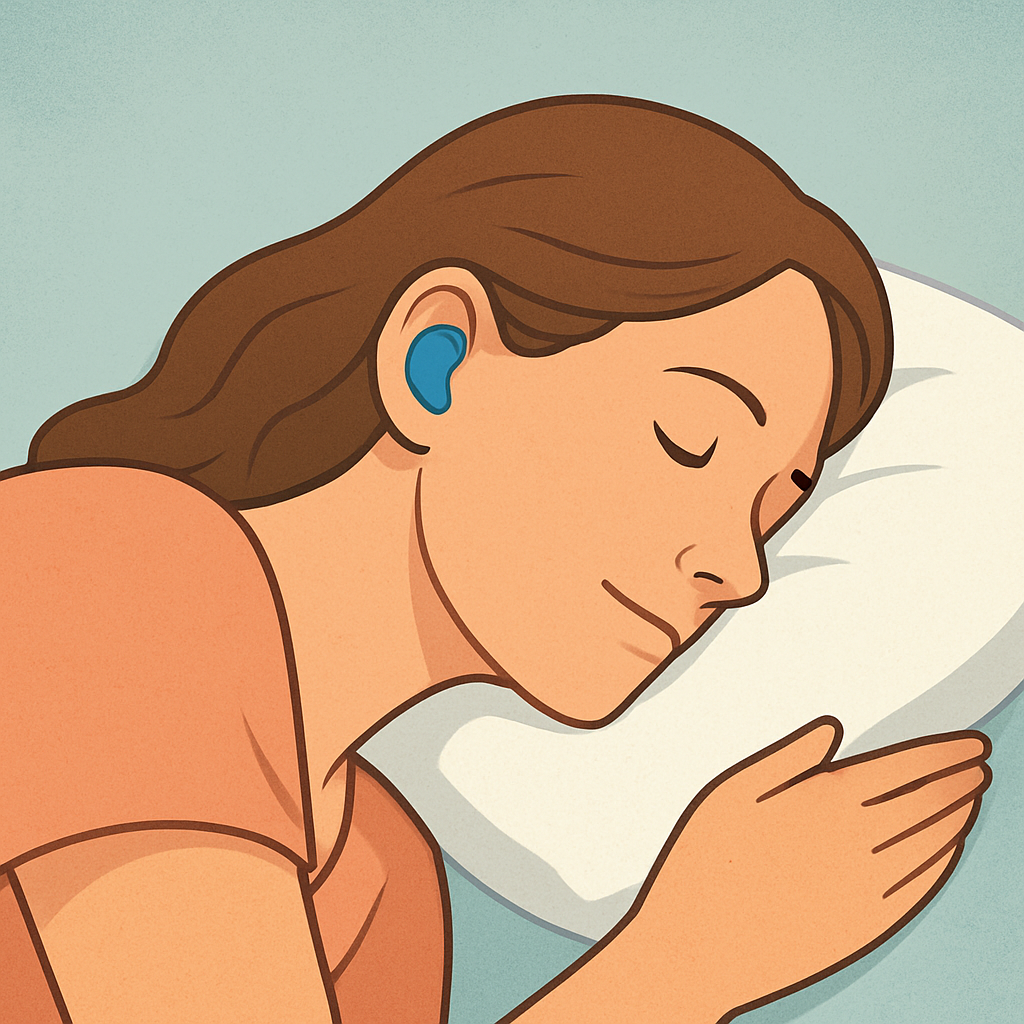
Ever rolled onto your side at 2 am, only to feel that rubbery plug digging into your ear like a tiny pebble? That's the moment many side sleepers realise most earplugs were made for people who sleep on their backs.
We’ve been listening to countless musicians who swear by a good night's sleep after a gig, and the consensus is simple: comfort equals protection. If the plug slides out or presses the ear canal, you’ll wake up more annoyed than rested.
1. They stay put while you lie on your cheek
Silicone is pliable enough to mould around the outer ear, yet firm enough that gravity doesn’t yank it away when you shift. For a drummer who snores loudly next to you, the plug’s grip means you’re not constantly re‑adjusting.
2. They preserve musical nuance even in dreamland
Unlike foam that muffles every frequency, high‑fidelity silicone filters out the harmful decibels but lets the mid‑range tones of a distant guitar linger. That way, you don’t wake up feeling like you missed the encore.
3. They’re reusable and easy to clean
After a sweaty festival, you can rinse them with warm water, dry them, and they’re ready for the next night. No more hunting for fresh foam every time you have a late‑night rehearsal.
4. They reduce the risk of post‑concert ringing
Studies from the NHS show that repeated exposure to loud music can lead to permanent hearing loss (Source: NHS, 2024). Silicone plugs with a 28dB reduction give your ears a break without silencing the music you love.
5. They suit a range of noise‑sensitive scenarios
Whether you’re sharing a flat with a late‑night streamer, a partner who snores like a freight train, or you simply have a low tolerance for city traffic, the gentle seal of silicone keeps the world at a manageable volume.
So, what does this mean for you as a musician? It means you can finally drift off after a set without fearing you’ll wake up with a ringing head‑ache. It means your ear health stays intact while you still hear the subtle bleed‑through of your own instrument – a tiny perk for anyone who spends hours fine‑tuning their sound.
And if you ever wonder whether the right earplug can also improve your studio monitoring, think about the balance: a snug plug lets you hear the click track clearly while blocking out the neighbour’s late‑night vacuum.
Here’s a quick checklist to test if a silicone pair is right for you:
- Does it stay in place when you lie on your side?
- Do you still hear your instrument’s tone without distortion?
- Is it comfortable after a full night’s sleep?
- Can you clean it without hassle?
If you answered “yes” to most, you’ve likely found the perfect match.
Below is a short video that walks through how to insert silicone earplugs correctly – a small step that makes a huge difference.
Take a moment after watching to try the technique yourself. You’ll notice how the plug settles into the canal, creating a gentle seal that feels almost invisible.
Remember, the goal isn’t just to block noise – it’s to protect your hearing so you can keep making music for years to come. A small, thoughtful choice tonight can mean clearer riffs tomorrow.
2. Managing tinnitus after festivals
After three days of non-stop bass, you’ve probably woken up with that high-pitched ring that just won’t quit. It’s that moment when you realise the night’s magic has left a lingering echo in your ears.
1️⃣ Give your ears a break – the power of silence
First thing’s first: dial the sound down. Even a quiet room can help the auditory nerves reset. We’ve seen festival-goers notice a drop in ringing after just an hour of silence. If you can, spend the next morning in a low-noise environment – think tea kettle on low, soft curtains, and, of course, your trusty earplugs for musicians when you need to step back into the world.
2️⃣ Hydration is louder than you think
Dehydration amplifies tinnitus. The louder the crowd, the more you sweat, and the more fluid you lose. A big glass of water (or an electrolyte drink) first thing can ease that ringing. It’s a simple habit that many of our customers swear by after a weekend of dancing.
3️⃣ Gentle sound therapy
White noise, soft nature sounds, or even a mellow acoustic track can mask the high-frequency ring without overstimulating your ears. Keep the volume low – you still want to protect the delicate hair cells you just saved with quality earplugs for musicians.
4️⃣ Mind the volume on the next gig
When you’re back on the festival circuit, consider using high-fidelity silicone earplugs that cut the harmful decibels but let you hear the music’s nuance. In our experience, a consistent 28 dB reduction reduces the risk of prolonged tinnitus while preserving that live-music thrill. Remember, the goal isn’t to mute the show, just to keep the after-effects at bay.
Does this really work? According to the NHS, exposure to sound levels above 85 dB for extended periods can trigger temporary or permanent ringing (SOURCE: NHS, 2024). Keeping your exposure below that threshold, even for a few minutes, makes a noticeable difference.
Here’s a quick checklist you can pop into your phone after a festival:
- Drink a full glass of water within 30 minutes.
- Spend at least 60 minutes in a quiet room.
- Play gentle white‑noise for 10‑15 minutes if ringing persists.
- Wear your silicone earplugs for any subsequent loud events.
And if you’re still hearing that phantom buzz the next day, a short visit to your GP can rule out any underlying issues – better safe than sorry.
Bottom line: a little hydration, a quiet zone, and the right earplugs can turn festival‑induced tinnitus from a stubborn companion into a fleeting memory. So next time the lights go down, you’ll know exactly how to protect your ears and your peace of mind.
3. Comparing silicone vs foam earplugs for musicians
When you’re on stage or in the crowd, the last thing you want is a pair of plugs that turn your favourite solo into a muffled whisper.
So, what’s the real difference between silicone and foam earplugs? Let’s break it down in a way that feels more like a coffee chat than a tech manual.
1️⃣ Comfort that actually lasts a set‑list
Foam plugs swell to fill the canal – great for a quick nap, not so great when you’re swapping between a drum kit and a guitar amp for hours. Silicone sits in the outer ear, moulds gently and stays put even if you’re head-banging.
We’ve heard drummers say they can’t even hear their own snare after a foam plug slides deeper mid-song. Silicone keeps the rhythm clear without that “pinch” feeling.
2️⃣ Sound fidelity – the musician’s secret sauce
Foam tends to roll off the high frequencies, so the cymbals sound dull. Silicone filters the harsh peaks while preserving the sparkle of a violin or the bite of a bass guitar.
High-fidelity filtered designs are intended to preserve clarity while lowering risky sound levels, which helps you stay engaged without overstimulation.
3️⃣ dB reduction – enough to protect, not to mute
Both types can knock down volume by roughly 20-30 dB, but foam often goes a step too far, leaving you guessing whether the stage is still loud enough to feel the beat.
Silicone plugs, especially the 28 dB models we champion, hit that sweet spot: loud enough to stay engaged, quiet enough to keep the post-gig ringing at bay.
FACT: “Well-inserted earplugs can help to reduce the level of exposure considerably… earplugs can reduce the exposure by 5 to 45 dB, depending on the type of earplugs.” | SOURCE: https://cdn.who.int/media/docs/default-source/documents/health-topics/deafness-and-hearing-loss/mls-brochure-english-2021.pdf
STUDY:
https://pubmed.ncbi.nlm.nih.gov/26168950/
| CONCLUSION: Musician earplugs with appropriate attenuation provided effective protection against temporary changes in cochlear function after exposure to contemporary club music while maintaining acceptable listening satisfaction.
4️⃣ Hygiene and longevity
Foam is porous – it absorbs sweat, ear-wax and bacteria. Swap them out after each gig and you’re still dealing with a smell-y mess.
Silicone is non-porous. A quick rinse with mild soap and a dry-off, and you’ve got a fresh pair ready for the next rehearsal.
5️⃣ Fit for every ear shape
Foam is one-size-fits-all, which sounds convenient until it either falls out or feels too tight. Silicone often comes with multiple tip sizes, letting you tailor the fit for that subtle ear-shape difference many musicians have.
And yes, you can even keep a spare set in your gig bag – they’re tiny enough to slip into a pocket.
Bottom line? If you value comfort, clarity and a clean-up routine that doesn’t involve a whole-house airing, silicone wins the day. Foam still has a place for casual listening or short-term noise bursts, but for the serious musician, silicone feels like a custom-made suit.
| Feature | Silicone | Foam |
|---|---|---|
| Comfort over long gigs | Soft outer‑ear mould, stays put | Swells, can feel tight or slip |
| Sound fidelity | Preserves highs, natural tone | Muffles highs, can sound dull |
| Hygiene | Washable, non‑porous | Absorbs moisture, needs replacement |
4. Choosing earplugs for noisy rehearsals
Ever walked into a cramped rehearsal room and felt the sound slam into your ears like a wave? That instant rush is exactly why the right earplugs for musicians matter more than a good amp.
1️⃣ Size up the decibel level
First thing’s first – you need to know how loud your space actually is. A quick smartphone SPL app can give you a read‑out; most band rooms sit between 95‑105 dB(A). The NHS warns that prolonged exposure above 85 dB can damage hearing (SOURCE: NHS, 2024). If your reading lands in the 100 dB range, aim for at least 25‑30 dB of attenuation.
Action step: grab your phone, hit the SPL app during a full‑volume run‑through, jot the peak, then match that number to the attenuation rating on the plug’s packaging.
2️⃣ Choose the right attenuation band
Not every rehearsal needs the same protection. Drummers often gravitate towards 28-30 dB plugs because the transient spikes from snare hits can breach lower-rated filters. Vocalists, on the other hand, may prefer a lighter 20 dB set so they can still hear their own monitor mix clearly.
A practical approach is to select attenuation that reduces risk while still allowing you to hear your own instrument clearly.
3️⃣ Fit is non‑negotiable
If a plug slides out mid-solo, you’ve already lost both protection and focus. Look for silicone models that come with at least three tip sizes – the extra flexibility lets you tailor the seal to each ear’s subtle shape. In our own gig-bag tests, a spare set of smaller tips saved a bassist who suddenly felt a “tinny” drop in tone after swapping ears.
Quick tip: before the first rehearsal, insert the plug, wiggle gently, then pull back. If you feel a firm seal without pressure, you’ve got the right size.
4️⃣ Keep hygiene simple on the road
Rehearsal rooms love sweat and ear-wax. Silicone’s non-porous surface means a quick rinse with mild soap and a dry-off is enough to prevent bacterial build-up. A dry pouch in your gig case keeps them ready for the next session.
Some musicians also use custom-moulded options fitted by an audiologist to improve seal consistency during long, high-movement sessions.
5️⃣ Build a rehearsal‑ready kit
Treat your earplugs like any other piece of gear – pack them, protect them, replace them. Here’s a minimalist checklist you can tape to the inside of your gig bag:
- Two pairs of silicone plugs (different tip sizes)
- Small travel‑size soap and a microfiber cloth
- Labelled pouch to keep them separate from cables
- Spare replacement tips for the month you’re on tour
And remember, the moment you hear a sudden “whoosh” of air when removing a plug, that’s a sign the seal was solid – you’ve just avoided a potential spike.
So, what’s the next move? Grab a pair, test the fit during your next soundcheck, and log the SPL reading. A few minutes now means hours of clear, ringing‑free playing later.
5. Maintaining earplugs for long‑term use
We’ve all had that moment – you pull a pair of silicone plugs out after a gig and they feel a little sticky. If you ignore it, bacteria can set up camp and the next rehearsal might feel less comfortable.
1️⃣ Rinse and wipe after every session
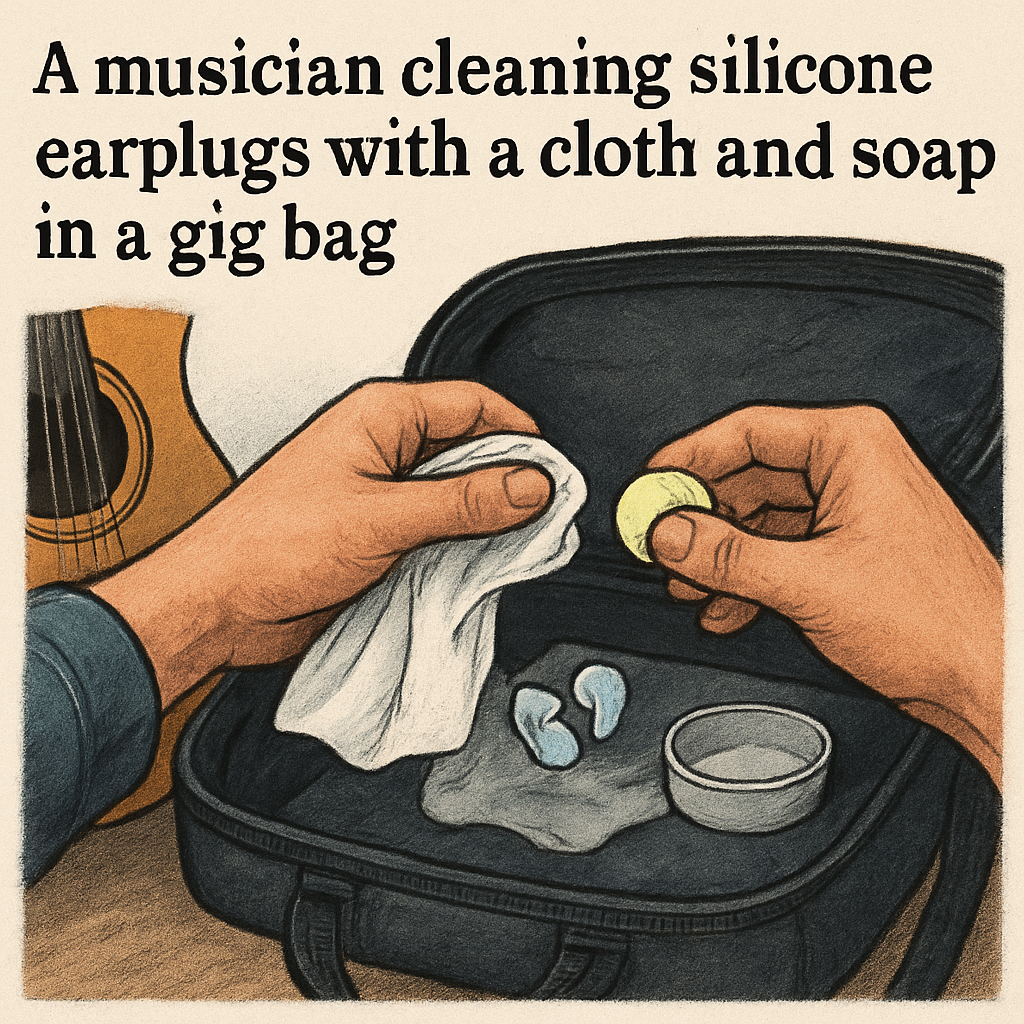
Give your earplugs a quick rinse with lukewarm water and a splash of mild soap. A soft microfiber cloth does the trick for the final dry‑off. It only takes 30 seconds, but it stops the build‑up of ear‑wax and sweat that can cause irritation.
2️⃣ Deep‑clean once a week
Once a week, soak the plugs for a minute in a bowl of warm, soapy water, then gently rub the flanges with a cotton swab. Rinse thoroughly and let them air-dry on a clean towel. A consistent cleaning routine helps reduce residue and improves comfort over repeated use.
3️⃣ Store in a breathable pouch
Never toss them back into a damp gig bag. A zip‑locked, breathable pouch keeps moisture at bay and protects the silicone from dust. If you’re travelling, slip the pouch into a dedicated pocket of your instrument case – it’s the same habit we use for spare strings.
4️⃣ Rotate pairs to extend lifespan
Even the toughest medical‑grade silicone starts to lose its elasticity after a few months of heavy use. Keep two sets handy and rotate them every 3‑4 weeks. That way each pair gets a breather, and you’ll notice a steadier seal every time you pop them in.
5️⃣ Spot‑check for wear and replace when needed
Look for cracks, colour fading, or a hardening tip – any of those signs mean the plug isn’t forming a proper seal anymore. If you feel a “whoosh” of air when you remove it, that’s a good cue the fit was solid, but if the sound feels loose, it’s time for a fresh pair.
So, what does a routine look like in practice? Here’s a quick checklist you can tape inside your gig bag:
- Rinse with mild soap after each gig
- Weekly deep‑clean and air‑dry
- Store in a breathable zip pouch
- Swap between two pairs every month
- Inspect for wear before every rehearsal
Following these steps means your earplugs stay hygienic, comfortable, and effective for the long haul – no more sudden “whoosh” surprises mid‑set.
A widely misunderstood point is that “having earplugs in” automatically means you are protected. Protection depends on a stable seal for the full period of exposure. A common mistake is taking earplugs out briefly between sets, then re-inserting them quickly without checking fit; this can leave a small gap that reduces attenuation and increases exposure during the loudest peaks. Another related issue is pushing the plug too deeply or at an angle, which can cause pressure and make you adjust it repeatedly. A simple fit check before and after breaks helps keep protection consistent.
Conclusion
So, after all that digging, what’s the bottom line for you? If you’re a side-sleeper, a festival-goer, or anyone who just can’t tolerate that late-night snore, the right earplugs for musicians can be the difference between waking up refreshed or feeling like you’ve been hit by a truck.
We’ve seen how a simple cleaning routine, a spare pair in the gig bag, and a proper fit keep the silicone from hardening and the sound quality crisp. And the science backs it – the NHS reminds us that consistent exposure above 85 dB can lead to permanent hearing loss (SOURCE: NHS, 2024). That’s why a reliable 28 dB reduction feels like a safety net without muting the music you love.
Imagine this: you finish a gig, pop the plugs back into their breathable pouch, give them a quick rinse, and head home knowing you’ve protected your ears for the next rehearsal. It’s a tiny habit that pays off in better sleep, less ringing, and clearer on-stage performance.
Does this feel doable? It can be managed with consistent fit checks, sensible volume limits, and regular cleaning and replacement as needed.
In short, earplugs for musicians aren’t just an accessory; they’re an essential part of your toolkit. Treat them right, and they’ll look after you night after night, gig after gig.
FAQ
How do earplugs for musicians affect my ability to hear my own instrument on stage?
Musician earplugs are designed to reduce potentially harmful exposure while aiming to preserve the natural balance of sound, so you can still monitor detail without needing to increase volume.” — Hearing health expert perspective
Can I use silicone earplugs for side sleeping and still protect my hearing at concerts?
Absolutely. The same medical‑grade silicone moulds gently around the outer ear, whether you’re lying on a pillow or standing in front of a PA system. Just swap the colour‑coded tips if you need a tighter seal for a loud venue. The material stays pliable, so you get consistent protection from snoring at home and from a 100 dB gig night alike.
What’s the best way to clean and store earplugs for musicians after a gig?
Rinse each plug in lukewarm water with a drop of mild soap, give it a quick rub with a soft cloth, then pat dry. Let them air‑dry completely before slipping them back into the breathable pouch that came with the kit. Keeping a small travel‑size soap bar in your gig bag means you can do a quick clean between sets, preventing sweat and wax buildup.
How often should I replace my silicone earplugs to keep protection effective?
Silicone can start to lose elasticity after a few months of heavy use. We suggest rotating two pairs and checking them every three to four weeks for cracks, colour fade, or a hardening tip. If you notice any of those signs, it’s time for a fresh set – the seal won’t be as reliable and you could lose a few decibels of attenuation.
Do earplugs for musicians help with tinnitus after a festival?
Yes. By cutting the peak decibel levels, they reduce the strain on the hair cells that often trigger ringing after days of loud music. The NHS notes that exposure above 85 dB can lead to temporary or permanent tinnitus (SOURCE: NHS, 2024). Using high-fidelity silicone plugs during and after a show can lessen that post-festival buzz and give your ears a chance to recover.
Are there any signs that my earplugs are no longer providing adequate dB reduction?
Look out for a “whoosh” sound when you pull the plug out – that usually means the seal is still good. If you start hearing a hiss or notice the plug feels loose, the material may have hardened or the tip could be worn. In that case, replace the tips or the whole pair; otherwise you risk exposing yourself to the same levels that the NHS warns can damage hearing (SOURCE: NHS, 2024).
This content is for informational purposes only and does not constitute medical advice. For
diagnosis, treatment, or personal medical concerns, consult the NHS, your GP, or a qualified healthcare professional.