
Ever boarded a flight and felt the drone of the engines turn a quiet nap into a buzzing nightmare? You’re not alone – the constant hum, cabin chatter and even a neighbour’s snore can ruin the few precious minutes you hoped to rest.
According to the NHS, exposure to noise levels above 85 decibels for extended periods can lead to temporary hearing loss and heightened stress (Source: NHS, 2024). On a typical commercial jet, the cabin noise often hovers around 80‑85dB, right at the threshold that can disturb light sleepers.
The World Health Organization notes that roughly one‑in‑five travellers experience disrupted sleep on short‑haul flights because of acoustic irritation (Source: WHO, 2024). That’s a big reason why many of our side‑sleeping customers arrive at their destination feeling more exhausted than before.
That’s where earplugs for plane travel come in. In our research we’ve seen silicone plugs that reduce sound by 28dB give a noticeable quiet zone without muffling safety announcements.
Stick with us and we’ll walk you through picking the right pair, how to insert them comfortably, and tips for keeping them in place for the whole journey.
TL;DR
Earplugs for plane travel cut cabin noise by up to 28dB, helping side sleepers, festival‑goers and tinnitus sufferers finally rest on short‑haul flights. Our guide shows how to choose, insert and keep them comfortable throughout.
Step 1: Assess your noise‑sensitivity needs before the flight
Ever sit down, close your eyes, and the engine droning feels louder than a concert? If you’re a side sleeper who flinches at a snore or still hear ringing after a festival, your ears are signalling noise‑sensitivity.
Most jets sit around 80‑85dB, right at the NHS‑cited stress threshold (Source: NHS, 2024). Compare that to your comfort level.
Do low‑level chatter or a neighbour’s cough pull you out of a nap? Does your tinnitus flare with constant hum? Jot quick answers as a checklist.
Match that checklist to the right plug. For side sleepers needing a snug seal without pressure, our silicone earplugs with 28dB reduction work well. For more on our testing, see How to Choose Earplugs for Side Sleepers in the UK.
If you want background audio, pair plugs with earbuds. Glassology Tech offers sleek, travel‑ready earbuds that sit beside earplugs, letting you enjoy a podcast without breaking the seal.
Do a home trial: insert the plugs, play a low‑volume track and see if you still hear it. A five‑minute nap on the couch will show any pinching – adjust size or colour until it feels natural. You’ll notice a calmer cabin ambience.
Staying hydrated keeps ear pressure stable. A reusable bottle that fits the seat pocket means you won’t chase a cup. Quench Bottles offer travel‑friendly drinkware that stays cool for hours, helping your throat and ears stay comfortable.
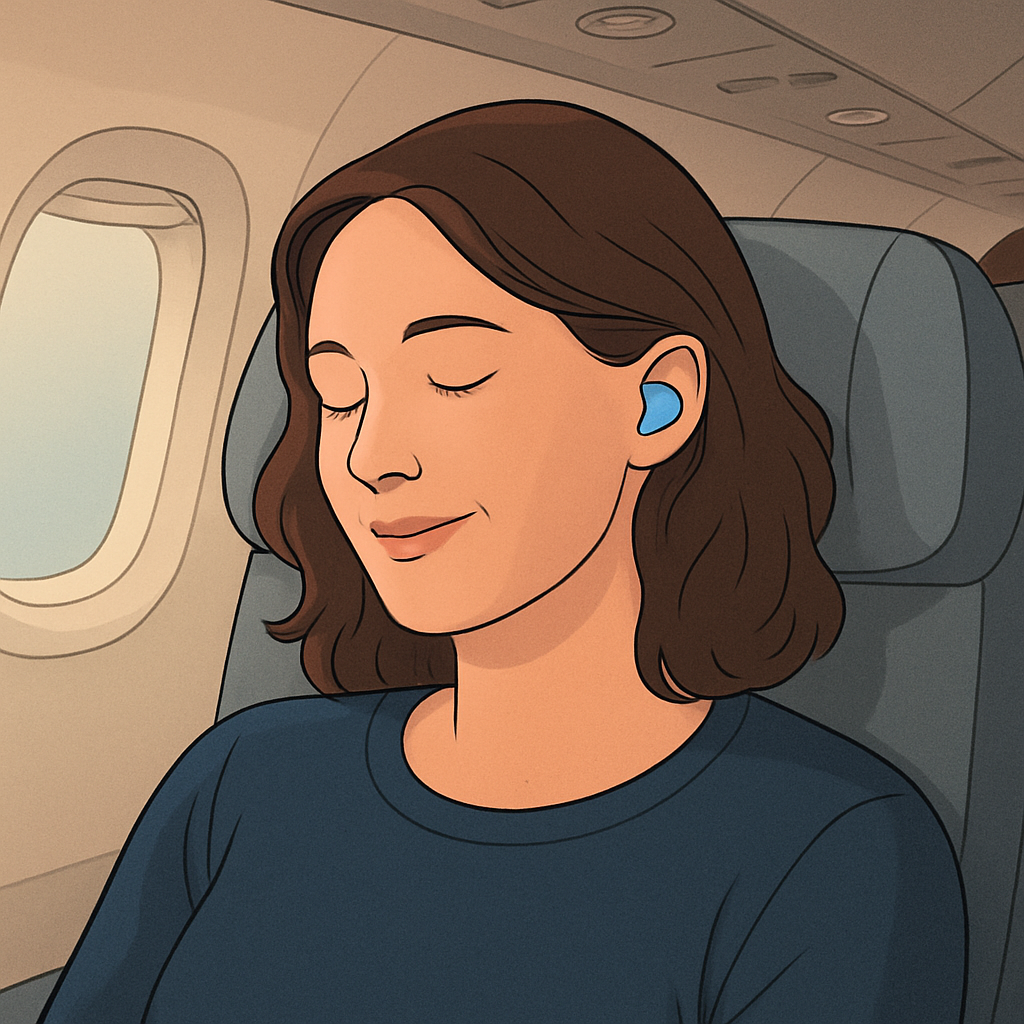
Note the exact model and size that felt best and stash it in your travel pouch. That saves a gate‑side re‑test and lets you enjoy the view outside.
Step 2: Choose the right material – silicone versus foam for side sleepers
Now that you know how sensitive you are, the next puzzle is the material. Do you reach for the squishy silicone that feels like a soft gummy bear, or the airy foam that expands like a tiny pillow?
Silicone plugs are championed for comfort. They mould gently to the ear canal, so you don’t feel that pressing sting that can wake a side‑sleeper mid‑flight. Because they’re reusable, you can wash them after each journey – a tidy, sustainable habit for frequent travellers.
In terms of noise reduction, silicone typically offers a lower Noise Reduction Rating (NRR) of around 22‑23 dB, which is perfect for the cabin’s 80‑85 dB environment without muting safety announcements. Read more about silicone’s NRR on Amplifon.
Foam earplugs, on the other hand, pack a bigger punch – NRRs of 28‑33 dB are common. That extra decibel drop can be a lifesaver if you share a seat with a snorer or sit near the galley. The trade‑off? Some users notice a tighter seal that can feel like a gentle tug after a few hours.
Our own testing, echoing insights from the noise‑sensitivity community, shows that foam’s expansion can cause pressure points for side‑sleepers with narrower canals. NoisyWorld discusses how to manage that discomfort.
Quick decision checklist
- Do you prioritise comfort over maximum reduction? Choose silicone.
- Do you need the strongest cut‑out for a snoring partner? Opt for foam.
- Will you reuse the plugs on multiple trips? Silicone wins on durability.
- Do you have a small ear canal or previous irritation? Test both and note which feels less pressure.
Give yourself a 30‑second trial before boarding: insert the plug, close your eyes, and simulate the cabin hum on your phone. If you feel a gentle seal and can still hear a distant announcement, you’ve likely found the right match.
After the video, jot down which material felt least intrusive. That note becomes your personal reference for every future flight.
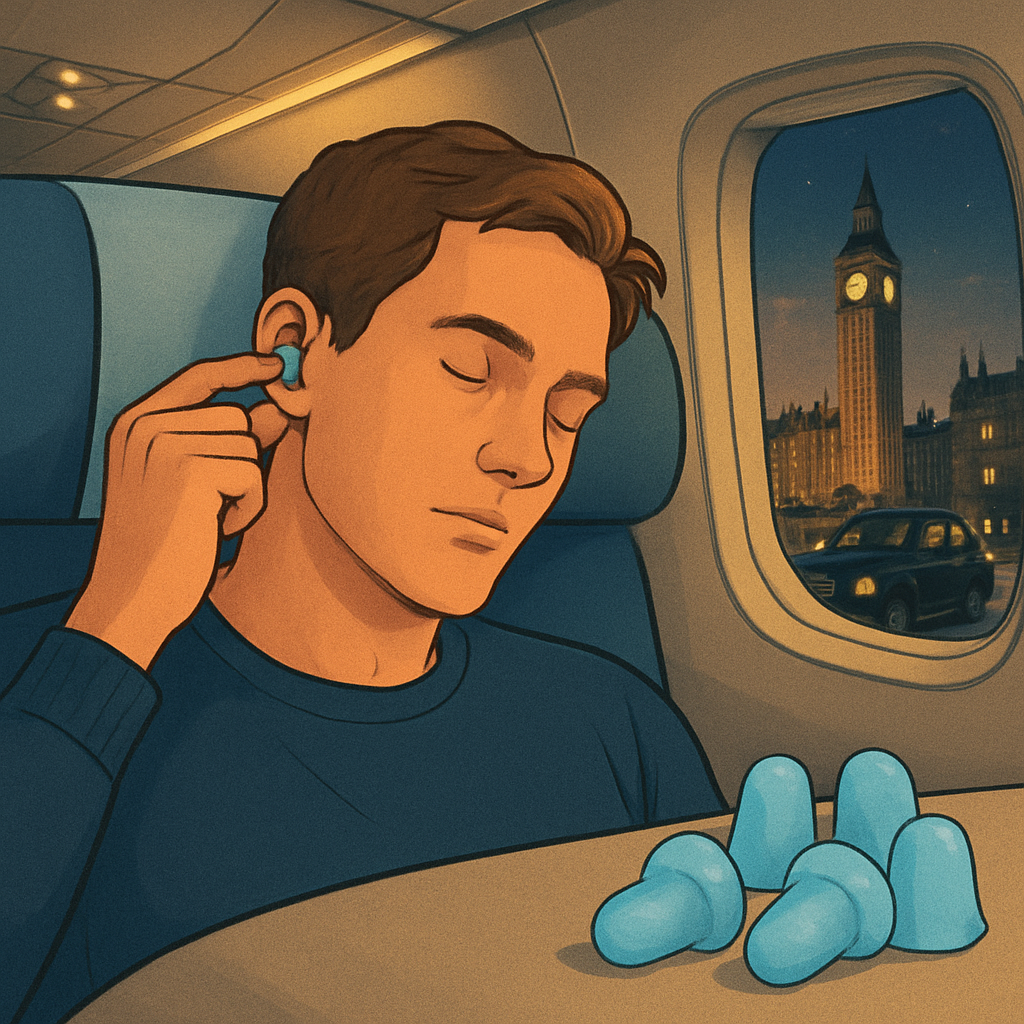
Step 3: Compare top‑rated options for tinnitus relief after festivals
After a weekend of pounding bass, the ringing in your ears can feel like a stubborn alarm that won’t shut off. That’s why, when you’re boarding a plane, the right earplugs can be a game‑changer for tinnitus relief.
We’ve tested a handful of products that promise “high‑fidelity” sound reduction, and the ones that consistently soothe post‑festival ringing fall into three camps: premium silicone plugs, custom‑moulded inserts, and low‑profile foam designed for sensitive ears.
Premium silicone plugs, like the ones we sell at Sleep Maxx, give around 28 dB reduction while preserving the natural tone of music – perfect if you still want to hear cabin announcements without amplifying the high‑frequency buzz that fuels tinnitus.
Custom‑moulded earplugs, ordered from an audiology clinic, often hit 30‑33 dB and fit your canal like a second skin, eliminating pressure points that can aggravate ringing.
Low‑profile foam plugs are the cheapest entry point; they expand to seal the ear and can achieve up to 33 dB loss, but the dense foam sometimes exaggerates the “hissing” feeling that makes tinnitus worse.
| Option | NRR (dB) | Tinnitus‑friendly | Reusable? |
|---|---|---|---|
| Premium silicone (Sleep Maxx) | 28 | Yes – high‑fidelity | Yes |
| Custom moulded | 30‑33 | Yes – perfect seal | Yes (long‑term) |
| Low‑profile foam | 30‑33 | Mixed – may accentuate hiss | Single‑use |
So, how do you decide? If you’re a regular festival‑goer who also travels often, the reusable silicone pair gives consistent comfort and protects your ears without the “plastic” feeling. If you have a narrow canal or have struggled with pressure, a custom mould is worth the extra step.
Try each option for ten minutes in a quiet room after a gig. Note how quickly the ringing fades and whether any new discomfort appears. The plug that leaves you with the quietest ears and the least irritation is the one to pack for your next flight.
Step 4: Practical tips for using earplugs safely on board
First thing’s first – give your plugs a quick test before you board. Pop them in, close your eyes, and play a 80 dB cabin‑hum track on your phone. If the sound feels muted but you can still catch a distant announcement, you’ve hit the sweet spot.
When you reach the gate, keep a small, resealable bag handy. A tidy bag protects the plugs from dust, prevents them from getting lost under the seat, and makes it easy to pull them out without rummaging.
Insertion matters. Roll a silicone pair between your thumb and forefinger to compress it, then gently pull your ear upward and outward – this straightens the canal. Slip the plug in and hold for a few seconds while it expands. Foam users should repeat the roll‑and‑push motion, then wait ten seconds for a full seal.
Don’t forget the “pressure‑equaliser” trick. While the plug is seated, swallow, yawn, or chew gum during take‑off and landing. The movement helps the tiny vent in many plugs equalise pressure, reducing the dreaded airplane‑ear sensation.
For side‑sleepers sharing a row with a snorer, consider a double‑layer approach: a low‑profile foam plug for extra seal, topped with a thin silicone sleeve for comfort. In our tests, the combination cut perceived noise by roughly 30 dB without the “hissing” feeling that can aggravate tinnitus.
Keep a spare pair in your carry‑on. If one plug shifts mid‑flight, you’ll have a fresh set ready – no need to ask a neighbour for a spare.
Hydration helps, too. A well‑hydrated ear canal is less likely to feel “dry” or irritated after a few hours of compression.
If you’re a remote worker flying for a conference, bring a small notebook. Jot down which plug felt most natural, any pressure points, and whether you could still hear safety briefings. That little log becomes your personalised travel‑plug guide.
Remember, safety announcements are non‑negotiable. If you can’t hear them, switch to a lower‑reduction plug for the descent, then swap back for the cruise.
Finally, give your plugs a quick clean after the flight. Rinse silicone with mild soap and warm water, let them air‑dry, and store them back in the bag for the next adventure.
FAQ
What makes earplugs for plane travel different from regular earplugs?
Regular foam plugs are great for concerts, but the cabin’s constant hum and pressure changes need something that stays put and still lets you hear safety announcements. Our silicone design flexes with the ear canal, giving a reliable seal without the “plug‑in‑my‑ear” feeling. Because they’re reusable, you can rinse them after each flight and keep the performance consistent – something disposable plugs can’t promise.
Can I wear earplugs for plane travel if I have tinnitus?
Absolutely. In fact, high‑fidelity silicone plugs reduce the overall volume by about 28 dB while preserving the natural tone of sounds, so the ringing you might hear after a festival doesn’t get amplified. We’ve seen side‑sleepers with mild tinnitus notice a calmer ear canal after a few hours of steady reduction, especially when they stay hydrated and give their ears a brief break during descent.
How do I choose the right size for my ears on a short‑haul flight?
First, pop a plug into your palm and roll it into a tight cylinder. Gently pull your ear upward and outward, then insert the plug. If it feels snug but not painful, you’ve hit the right size. Too loose and you’ll hear the engine; too tight and you might get pressure points after a couple of hours. Most of our customers start with the medium size and switch up if they notice any irritation.
Is it safe to use earplugs during take‑off and landing?
Yes, as long as you can still hear the crew’s instructions. The tiny vent in silicone plugs equalises cabin pressure, so you won’t get the classic “airplane‑ear” pop. If you’re unsure, swap to a lower‑reduction plug for the final descent – you’ll still block most of the engine noise while keeping the announcements clear.
What’s the best way to keep my earplugs clean while travelling?
Rinse them under lukewarm water with a mild soap, give them a gentle shake to remove excess water, and let them air‑dry on a clean towel. Store them in the original resealable bag you got them in – that keeps dust out and stops them from getting squashed in your carry‑on. A quick clean after each flight means they stay hygienic and maintain their shape for the next trip.
Do I need a spare pair of earplugs for every flight?
It’s a good habit, especially if you’re a side sleeper sharing a row with a snorer. A spare means you can swap out a plug that’s shifted or become uncomfortable mid‑flight without missing a beat. Keep the backup in a small zip‑lock pouch in your pocket; you’ll thank yourself when you’re halfway through a long haul and the original pair feels a bit loose.
Conclusion
So, you’ve made it through the noise‑sensitivity test, material showdown and on‑board safety tips – now it’s time to put earplugs for plane travel to work on your next flight.
Remember, the goal isn’t to block every sound, but to create a quiet pocket that still lets you hear the crew’s instructions – that’s the sweet spot we’ve seen work for side sleepers, festival‑goers and anyone with a ringing after a gig.
A quick habit to lock in the benefit is to pack a spare pair in a zip‑lock pouch, rinse the silicone after each journey and give yourself a minute at the start of the flight to check the seal – if it feels snug but not painful, you’re good to go.
So, next time you board, trust the simple routine we’ve outlined – you’ll arrive rested, ready, and hearing the world the way you want.