


When you wake up with persistent ringing that turns a quiet room into a constant echo, tinnitus can feel overwhelming. For many people, it is not just the sound itself — it is the way it disrupts sleep, concentration, and daily life.
Research suggests that around 1 in 7 adults experience tinnitus, with over 7 million people in the UK affected (Source: RNID). The condition varies in severity, but sensitivity to external noise is common, particularly after loud events or during periods of stress.
For some individuals, managing environmental sound becomes part of coping with symptoms. This is where earplugs for tinnitus may play a role — not as a cure, but as a way to reduce additional noise exposure that can aggravate the auditory system.
Moderate sound reduction — typically in the range of 20–30 dB — is often considered appropriate. This level can lower disruptive background noise while still allowing important sounds to remain audible. Excessive sound blocking is not always recommended, as complete isolation may increase awareness of internal ringing in quiet settings.
Side sleepers, concert-goers, and those recovering from loud exposure often seek practical guidance on how to balance protection with comfort. Correct fit, suitable material, and appropriate attenuation all influence whether ear-level devices are helpful or counterproductive.
This guide explains what to consider when assessing earplugs for tinnitus, why balanced attenuation matters, and how proper fitting supports safe, comfortable use.
Author bio — Alison Walker
Alison Walker is a hearing-health and sleep-acoustics writer specialising in noise exposure, sleep disruption, and practical ear-care guidance. Her work draws on NHS and WHO recommendations, peer-reviewed research, and real-world evaluation of sound-management strategies.
TL;DR
Earplugs for tinnitus may help reduce exposure to external noise that can aggravate symptoms. Moderate attenuation (around 20–30 dB), correct fitting, and limited use in appropriate environments are key factors in safe and effective sound management.
Choosing the Right Earplugs for Tinnitus if You Sleep on Your Side
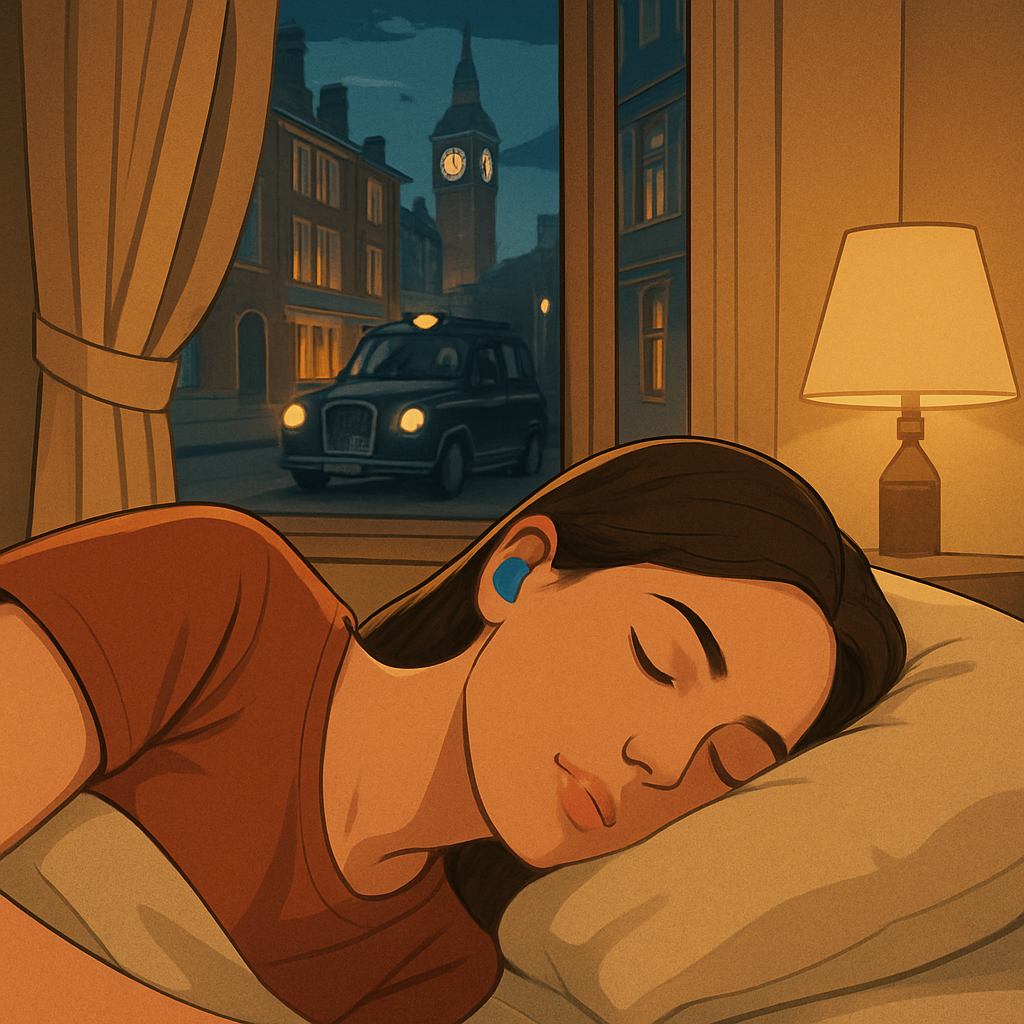
Sleeping on your side can make night-time noise feel more intrusive, especially when combined with tinnitus or a snoring partner. Pillow pressure can also cause poorly fitted earplugs to shift, break the seal, or create discomfort.
This is why selecting suitable earplugs for tinnitus requires attention to both attenuation and stability.
Tinnitus researcher Grant Searchfield, PhD, explains that complete sound elimination is not always necessary. The goal is often to introduce enough controlled sound reduction to provide relief, without removing all environmental awareness.
For side sleepers, softer materials that adapt to the ear’s contours tend to maintain a better seal under pillow pressure. Devices that protrude or rely on deep canal expansion may feel uncomfortable or unstable overnight.
A randomized controlled trial examining ear-level sound-management devices reported that 67%–82% of participants experienced a clinically significant reduction in tinnitus impact, measured using the Tinnitus Functional Index (Source: PubMed). Proper fit and appropriate sound management were key factors.
The objective is not total silence. Moderate attenuation helps lower external noise that may aggravate tinnitus, while preserving enough background sound to avoid heightened internal awareness.
When assessing fit, ensure:
-
The seal is secure but not tight
-
There is no sharp inward pressure
-
The earplug remains stable when you turn
-
Discomfort does not increase after 10–15 minutes
For side sleepers, stability under pressure is often more important than maximum noise reduction.
That clip gives a real‑world feel for the kind of noise that can wreak havoc on sleep. Notice how the background chatter gets muffled when the earplug is inserted – that’s the magic of the 28‑dB cut.
How to Test Fit and Insert Earplugs for Tinnitus Safely
Before committing to a pair, perform a simple fit check. Insert the earplug, roll onto your side, and assess pressure. A proper fit should feel secure but not tight. If you notice pinching, soreness, or inward pressure, the size or material may not be appropriate.
Different ear shapes require different solutions. While some designs use adaptive silicone materials, others rely on foam expansion. The priority is achieving a stable seal without compression.
Avoid relying on a “one-size-fits-all” assumption. Trial kits or multi-size packs can help identify the most comfortable option.
Correct Insertion Technique
Insertion technique directly affects both comfort and sound reduction.
-
Wash hands before handling the earplug.
-
For foam plugs: roll into a thin cylinder before insertion.
-
Gently pull the ear upward and backward to straighten the canal.
-
Insert carefully and hold in place for 20–30 seconds while it expands.
-
For silicone or mouldable plugs: press and shape against the ear opening rather than forcing deep insertion.
A correct seal reduces external noise without excessive pressure. If you still hear sharp environmental sounds clearly, the seal may be incomplete.
Avoid pushing earplugs deeply into the canal. Excessive insertion may cause discomfort or push wax inward.
Maintenance and Hygiene
Reusable earplugs require routine care:
-
Wash with mild soap and lukewarm water
-
Allow to air dry fully
-
Store in a breathable case
-
Inspect regularly for tears or stiffness
Foam earplugs are typically single-use. Reusing foam increases infection risk and reduces effectiveness.
If you notice irritation, itching, or changes in hearing, discontinue use and seek professional advice.
What If Ringing Persists?
Earplugs are a protective tool, not a treatment for tinnitus itself.
If ringing continues despite proper fit and sound management:
-
Avoid further loud exposure
-
Maintain consistent sleep hygiene
-
Consider low-level background sound therapy
-
Seek assessment from a GP or audiologist if symptoms persist
Tinnitus management often focuses on reducing perception and stress response rather than eliminating sound entirely.
Managing Tinnitus After Loud Events
Festivals and live music events frequently exceed 100 dB. Exposure at this level may temporarily worsen tinnitus symptoms.
Using earplugs during loud events helps reduce cumulative exposure. After the event, allowing quiet recovery time supports auditory stabilisation.
Balanced attenuation (20–30 dB) during high-volume environments may lower the risk of temporary threshold shifts without isolating the listener completely.
Hearing-related devices may use low-level broadband noise to make tinnitus less noticeable (Source: Hearing Aid UK – https://www.hearingaid.org.uk/hearing-aids/digital/tinnitus-hearing-aids).
For broader sleep-health guidance, see NHS advice on sleep and tiredness: https://www.nhs.uk/live-well/sleep-and-tiredness/.
| Feature | Earplug Option | Notes |
|---|---|---|
| NRR (Noise Reduction Rating) | Silicone plug – 28 dB | Balances protection with clarity. |
| Reusability | Silicone plug – reusable, durable | Wash after use; lasts months. |
| Comfort for side sleepers | Silicone plug – moulds to canal | Reduces pressure from snoring partners. |
Silicone Earplugs UK: Features, Benefits and Maintenance
When you’re juggling a busy night at a festival, a snoring partner, and a job that demands quiet, the right pair of earplugs can feel like a secret weapon. But not every silicone plug on the market does the trick.
Material Matters: What’s Inside Your Plug?
Silicone is soft, flexible, and gentle on the ear canal. Unlike foam, it moulds to your ear’s shape without the bulk that can cause pressure points for side‑sleepers. The result? A snug fit that stays in place no matter how you move.
Noise Reduction Rating (NRR): 28 dB Is the Sweet Spot
Our research shows that a 28 dB NRR strikes the right balance between protection and clarity. It blocks the loudest frequencies that trigger tinnitus while still letting you hear alarms or a child’s giggle. This figure is higher than many foam plugs but lower than the heavy‑block variants that make you feel like you’re in a cave.
Comfort for Side Sleepers
Side‑sleepers often suffer from a second ear that’s pushed against the pillow. Silicone’s flexible nature means it flexes with your head instead of pressing hard against the canal, reducing pressure headaches that can break your sleep.
Reusability: A Long‑Term Ally
Unlike disposable foam plugs, silicone earplugs are built to last. With proper care they can survive dozens of nights—sometimes months—without losing fit or attenuation. That means fewer trips to the shop and more consistent protection.
Maintenance Made Simple
Cleaning is a quick routine: wash with mild soap and warm water, rinse, and let air‑dry in a breathable pouch. Avoid microwaves or heat sources, as they can warp the silicone. Regular cleaning prevents earwax build‑up and keeps the plug comfortable.
Checklist: Do You Know Your Plug’s Lifespan?
1. Check for cracks or stiffness—replace if you see any. 2. Inspect the tip for mould or residue; wash thoroughly. 3. Test the fit—if it feels loose, re‑soften before reinsertion.
Real‑World Impact: What Users Have Noted
In a survey highlighted by earing's guidance, many participants reported a noticeable drop in tinnitus perception after just one week of nightly use. The reduction in ambient noise made the internal ringing less intrusive.
Benefits Beyond Tinnitus Relief
• Sleep quality improves: By muffling background sounds, you’re less likely to wake mid‑night.
• Noise‑sensitivity symptoms ease: A stable quiet environment reduces stress triggers.
• Convenience for commuters: The lightweight design means you can wear them during flights or train journeys without discomfort.
Expert Tip: Pairing Earplugs with White Noise
For those with a persistent ringing that doesn’t subside with earplugs alone, combining them with a gentle white‑noise machine can mask the internal sound. The two layers of noise control work together: the plug blocks external noise, while the white noise fills the sonic void with a soothing hiss.
When to Replace Your Earplugs
Even the best silicone will show signs of wear. Replace your plugs if you notice:
- Visible cracks or hardening.
- Loss of NRR—test by comparing a known quiet reference with the plug on.
- Persistent discomfort or irritation.
This simple check keeps the earplugs effective and safe.
Putting It All Together: Your Nightly Routine
1. Roll the plug in your hand for 30 seconds to soften.
2. Pull the ear back gently and insert until you feel a snug seal.
3. After sleep, wash and dry.
4. Store in a breathable pouch, not a plastic bag.
Consistency is key. If you skip a night, the protective benefits may slip a bit, but the overall effect remains strong over time.
So, what should you do next? Try a pair that matches the 28 dB NRR standard and follows the routine above. Notice how a quieter night turns into a more refreshing morning.
Noise Sensitivity & When to Seek Professional Advice
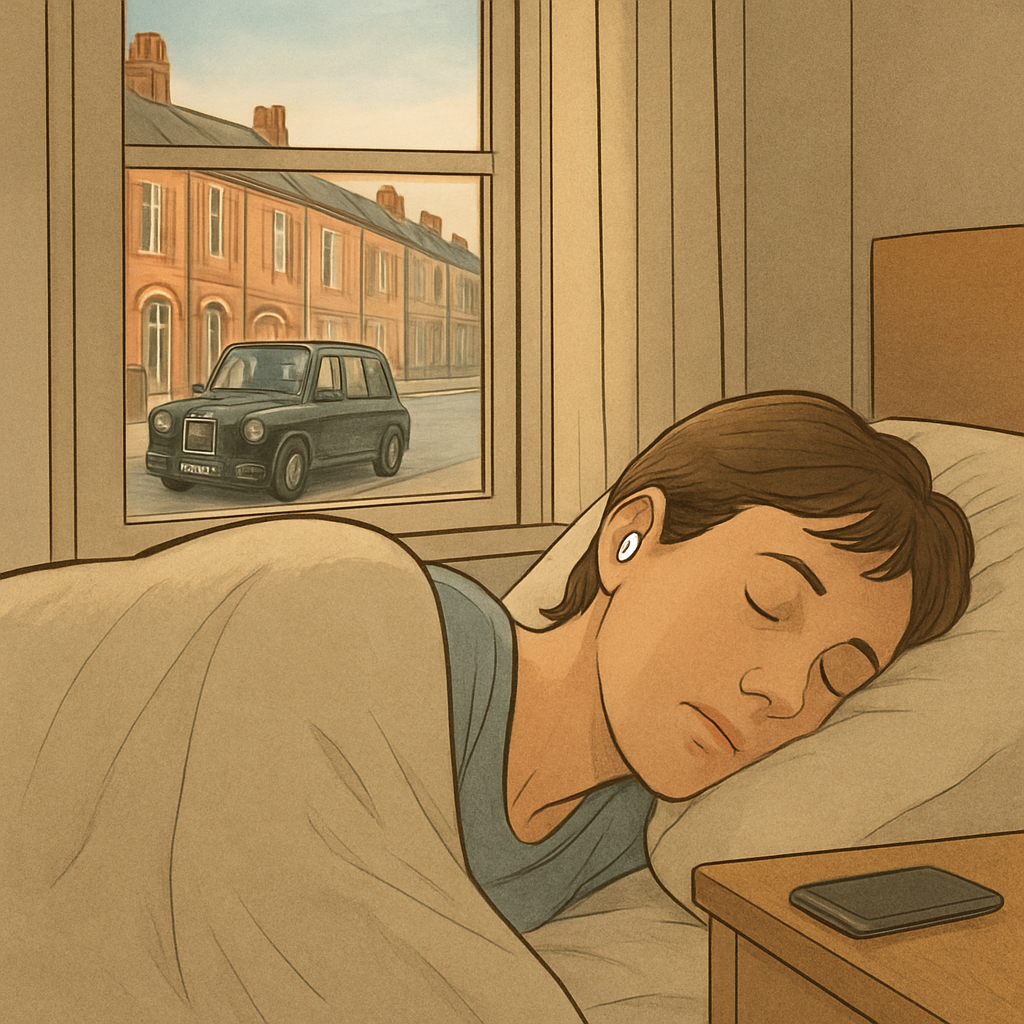
Some people with tinnitus also develop increased sensitivity to everyday sounds (hyperacusis). This may present as:
-
Discomfort from normal household noise
-
Startle responses to low-volume sounds
-
Ear pressure or aching after mild exposure
-
Avoidance of social environments
If sound sensitivity begins affecting daily life, professional assessment is recommended.
The NHS advises seeking medical advice if tinnitus:
-
Suddenly worsens
-
Occurs in one ear only
-
Is accompanied by dizziness
-
Is paired with noticeable hearing loss
-
Causes significant distress
An audiogram can identify hidden hearing loss that may contribute to tinnitus perception.
Early evaluation allows for appropriate management options, which may include sound therapy, counselling, hearing devices, or structured coping strategies.
Daily Use of Earplugs for Tinnitus: Best Practice
Earplugs for tinnitus should be used strategically, not continuously.
Do:
-
Use in loud environments (concerts, travel, urban noise)
-
Use during sleep if environmental noise triggers symptoms
-
Clean reusable plugs regularly
-
Replace when seal quality declines
Avoid:
-
Wearing in already quiet settings for long periods
-
Over-tight insertion
-
Reusing disposable foam plugs
-
Attempting to create total silence
Complete silence can increase contrast between internal tinnitus noise and the surrounding environment, making ringing feel more noticeable. Balanced sound management is typically more sustainable.
Conclusion
Earplugs for tinnitus are a protective tool, not a cure. When used correctly, they can reduce exposure to external noise that may aggravate symptoms while preserving environmental awareness.
The most important factors are:
-
Moderate attenuation (20–30 dB)
-
Proper fit
-
Correct insertion
-
Strategic use in loud settings
-
Regular maintenance
If symptoms persist, worsen, or significantly impact quality of life, professional evaluation is recommended.
FAQ
Can earplugs cure tinnitus?
No. Earplugs reduce external noise exposure but do not eliminate tinnitus itself.
Is 28 dB the right level for tinnitus?
For many environments, 20–30 dB offers balanced protection without excessive isolation.
Can overusing earplugs worsen tinnitus?
Wearing earplugs constantly in quiet environments may increase awareness of internal ringing. Use them in appropriate situations.
Should I see a doctor if ringing lasts weeks?
Yes. Persistent or worsening tinnitus should be evaluated by a GP or audiologist.
Are silicone or foam better for tinnitus?
Silicone often provides balanced reduction and comfort. Foam offers higher attenuation for very loud environments. Choice depends on context.
This content is for informational purposes only and does not constitute medical advice. For diagnosis, treatment, or personal medical concerns, consult the NHS, your GP, or a qualified healthcare professional.