


Imagine your partner’s snore turning from background noise into a nightly alarm. Or waking after a long day to a low hum that just won’t switch off. If you’ve tried standard plugs and found them too bulky, too tight, or useless against heavy snoring, you’re not alone. Across the UK, many people — especially those with smaller ear canals — struggle to find ear plugs to block out snoring UK that are both comfortable and effective.
That’s where SleepMaxx ear plugs differ. Made from mouldable silicone, they adapt to the shape of your ear rather than forcing your ear to adapt to them. The result is a secure seal, targeted noise reduction, and a fit designed to suit smaller ears without pressure or irritation.
Poor fit is the real problem most people face. The average ear canal measures around 2.5 cm, yet many off-the-shelf plugs extend closer to 3 cm. That small difference can break the acoustic seal, allowing low-frequency snoring to leak through. Worse, excess inward pressure can cause discomfort, disrupted sleep, or even increased tinnitus sensitivity.
The solution isn’t maximum bulk — it’s precise fit, soft material, and consistent sealing.
So what should you look for next?
ear plugs to block out snoring uk: why SleepMaxx stands out
For smaller ears, shape matters more than most people realise. A mouldable silicone earplug adapts to the entrance of the ear canal instead of forcing pressure deep inside it. That difference is critical when choosing ear plugs to block out snoring UK that will stay comfortable all night.
SleepMaxx ear plugs are designed with that principle in mind: flexible silicone, consistent seal, and durability that holds its shape after repeated use. When disruption comes from a partner’s snoring, loud neighbours, or late-night activity, a stable outer-canal seal often performs better than rigid foam that expands unevenly.
Many users switching from firm foam to silicone report noticeably lower perceived noise — not because the material is magically stronger, but because the seal is more consistent. Fit drives performance. A tighter acoustic seal reduces low-frequency snore vibration more effectively than bulk alone.
Decibel rating matters too. For blocking snoring, aim for around 28 dB attenuation. That level reduces heavy snoring into a manageable background hum while still allowing important cues — like alarms — to remain audible.
Sizing is equally important. SleepMaxx ear plugs are available in options suited to narrower canals. The correct fit should feel smooth, evenly sealed, and secure — never forced or painful. If you feel pressure building after insertion, change size or softness. Discomfort is a sign of mismatch, not something to tolerate.
For additional guidance on sleep acoustics and reducing night-time noise exposure, see /related-topic/.
Here’s a quick visual to help you spot the differences between silicone, foam, and thermoplastic plugs in a tiny ear canal. Pay attention to how the silicone moulds around the ear’s curves.
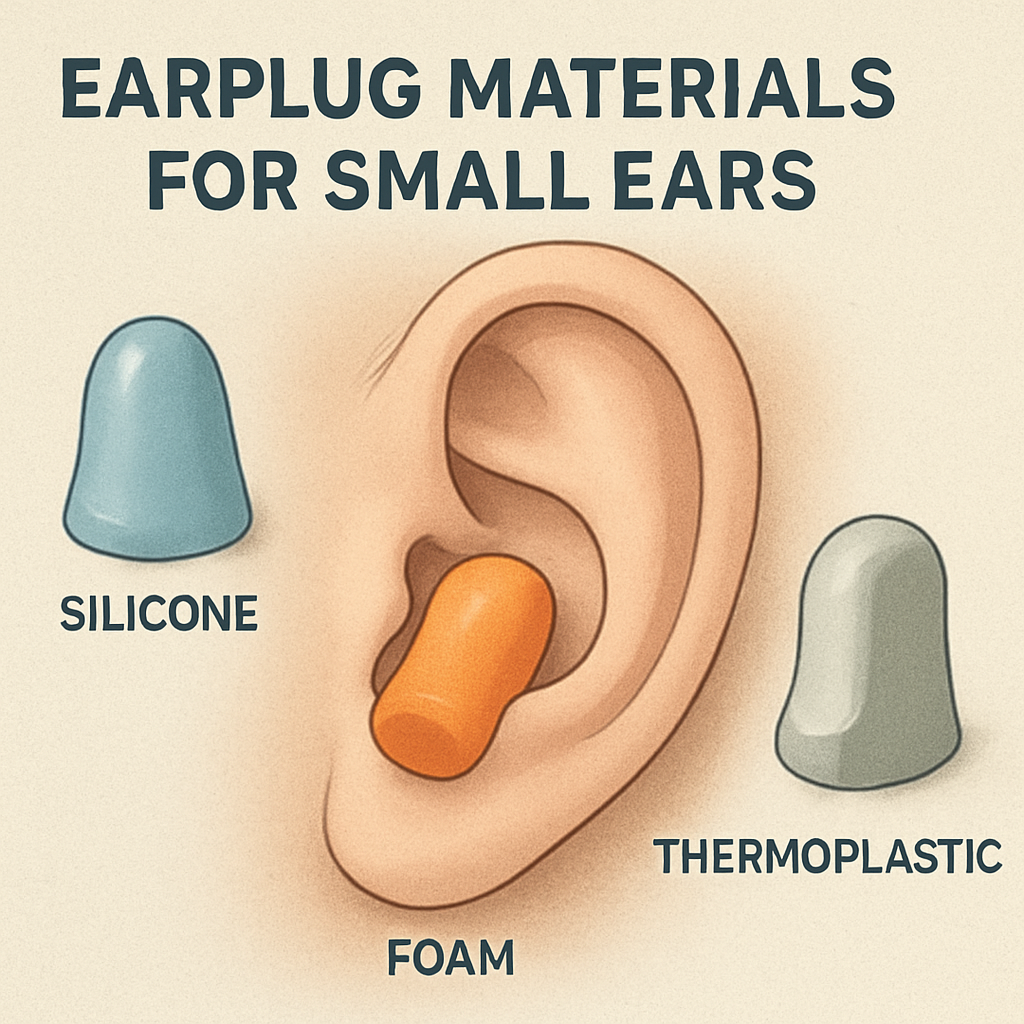
Bottom line? When choosing ear plugs to block out snoring UK, material and size carry equal weight. For smaller ears, mouldable silicone offers the strongest balance of comfort, seal stability, and effective noise reduction. Pair the correct size with proper care, and you create consistent, pressure-free quiet that lasts through the night.
How to Fit Ear Plugs to Block Out Snoring UK (Small Ears Guide)
Step 1: Clean Hands First
Wash your hands with soap and water before handling the plugs. Small ear canals are more sensitive to irritation, and hygiene directly affects comfort. Wipe any visible debris from the plug before insertion.
Step 2: Start with the Smallest Comfortable Size
If you have narrow canals, begin with the smallest size available. A correct fit should feel snug and evenly sealed — not tight, not painful, and not loose.
• Too large → pressure and soreness
• Too small → slipping and sound leakage
The right size feels secure without forcing.
Step 3: Warm and Shape the Silicone
Roll the silicone between your fingers for 20–30 seconds. Body heat softens the material, improving mouldability.
Shape it into a thin, smooth cylinder — slimmer shapes work better for small canals.
Step 4: Use the Pull-Up-Back Technique
Gently pull the top of your ear up and back. This straightens the canal and makes insertion easier and safer. Keep the canal open while inserting.
Step 5: Insert Slowly and Let It Mould
Guide the plug into place without pushing aggressively. For small ears, shallow but secure placement is key.
Rotate slightly so the silicone adapts to the canal’s contours.
You should feel a soft seal — not inward pressure.
Step 6: Check the Seal
Try a light sound test:
• Listen for a ticking clock or distant hum.
• Tap your earlobe — the sound should be muted.
If you still hear sharp noise clearly, reshape and reinsert.
Step 7: Morning Comfort Check
After your first full night, assess:
• Any soreness? → Size may be too large.
• Any movement or gaps? → Try slightly larger or reshape more carefully.
Adjustment is normal during the first few uses.
For small ears, consistent seal quality matters more than aggressive depth. A well-fitted 28 dB silicone plug reduces snoring vibration without creating pressure headaches — making it a practical solution for light sleepers, side sleepers, and shared bedrooms.
Quick Check‑List
- Hands clean?
- Plug warmed & rolled?
- Ear pulled back?
- Plug inserted & rotated?
- Seal tested?
- Comfort checked?
| Feature | What It Means for Small Ears | Why It Matters |
|---|---|---|
| Size Options | Small/Medium/Large | Helps avoid a loose or too tight fit |
| Material Softness | Silicone, foam, thermoplastic | Silicone moulds better for tight canals |
| Noise‑Reduction Rating | 28 dB | Keeps loud music below harmful levels while still allowing conversation |
Managing Noise Sensitivity and Tinnitus with Ear Plugs to Block Out Snoring UK
Ever notice how a quiet evening suddenly feels painfully loud? For many light sleepers, especially those searching for ear plugs to block out snoring UK, that hypersensitivity is linked to noise fatigue or tinnitus flare-ups. The right earplug doesn’t cure tinnitus — but it can reduce triggers and stabilise your sleep environment.
Why Noise Sensitivity Happens
The ear isn’t just a microphone. It’s a sensory system that can become overstimulated after repeated exposure to loud environments — festivals, traffic, machinery, or nightly snoring.
When sound input remains high, the auditory system stays on alert. Over time, this can:
• Increase perception of ringing
• Lower tolerance to everyday noise
• Fragment sleep cycles
• Raise stress response at night
Reducing consistent exposure helps calm that cycle.
Why 28 dB Matters
A properly fitted silicone earplug delivering around 28 dB reduction lowers intrusive noise — such as snoring or traffic — without blocking essential sounds like alarms.
The NHS advises that prolonged exposure above 85 dB increases risk of hearing damage. A moderate reduction helps keep night-time noise well below that threshold while preserving environmental awareness.
It’s about controlled reduction, not total silence.
Fit Is Critical for Small Ears
For people with narrow canals, seal quality determines effectiveness more than raw material.
A correct fit should:
• Sit comfortably without inward pressure
• Seal evenly with no air gaps
• Stay stable when lying on your side
• Avoid deep canal compression
Think of it as a custom acoustic cushion — secure but breathable.
Quick Night-Time Seal Check
Instead of overcomplicating things, try this:
-
Insert and mould the plug properly.
-
Lie on your side in your usual sleep position.
-
Listen for background hum.
If sharp snore vibrations are dulled but you can still detect distant ambient sound, the seal is balanced.
If you feel internal booming or pressure, the plug may be too tight.
Do Earplugs Cure Tinnitus?
No — but they can reduce aggravating noise exposure.
They help by:
• Lowering external triggers
• Preventing additional sound overload
• Creating a stable sound baseline
What they should not do is create complete silence. Over-attenuation can increase awareness of internal ringing due to contrast effects.
Practical Use Strategy
If you’re using ear plugs to block out snoring UK while managing tinnitus:
• Choose moderate attenuation (around 28 dB)
• Avoid overly rigid foam if pressure worsens symptoms
• Keep plugs clean and replaced regularly
• Pair with low-level background sound if complete silence increases ringing
Combine this with consistent sleep hygiene — dim lights, reduced screen exposure, and stable bedtime — to reinforce auditory recovery.
The rhythm remains simple:
Warm. Insert. Mould. Check.
No hype. No gimmicks. Just controlled sound reduction that supports calmer nights.
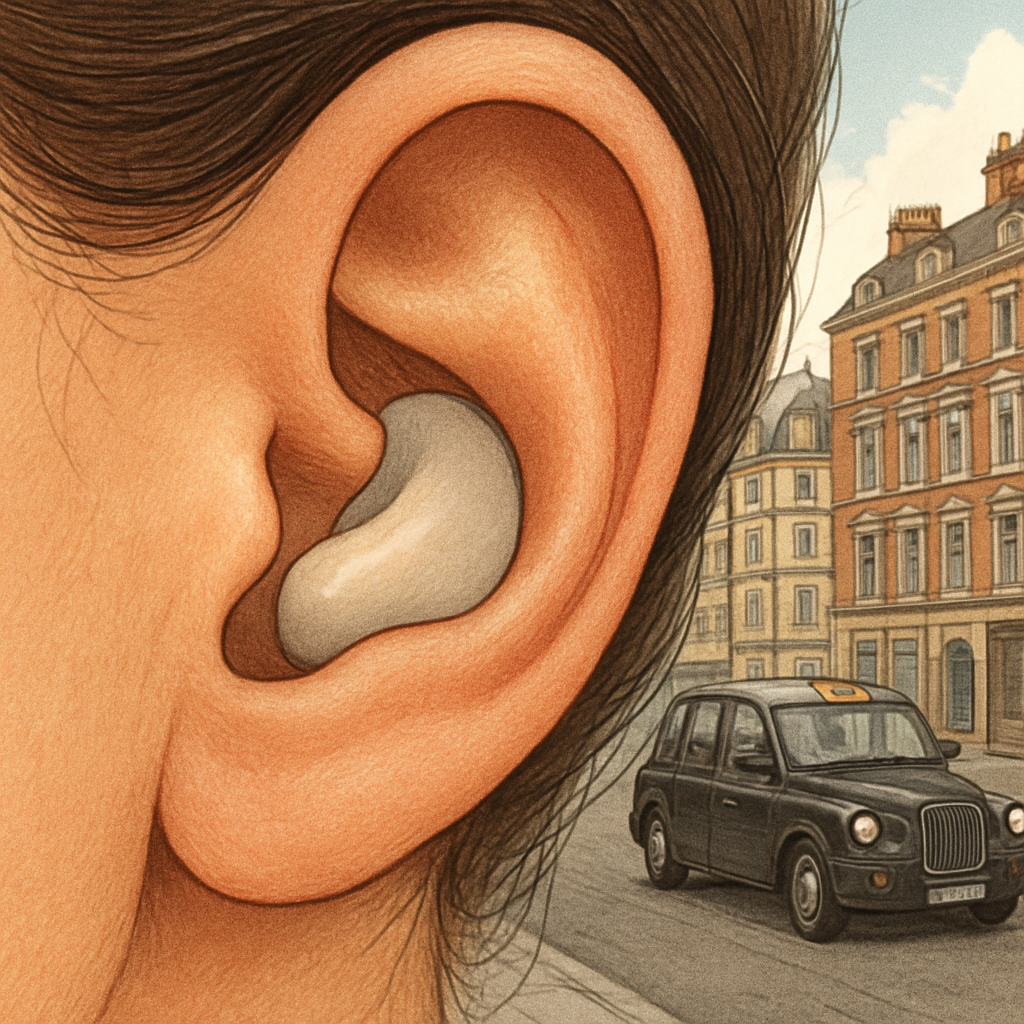
If you notice a persistent ringing after a concert or while sleeping beside a snoring partner, try our earplugs the next night. Pay attention to how the ringing changes in the first few hours—sometimes a few minutes of relief can make a big difference.
Finally, think of earplugs as a form of self‑care. They’re a small, inexpensive way to protect your hearing and give your brain a break from constant noise. If you’re struggling with noise sensitivity, give a silicone earplug a try and see how the difference feels in real life.
Earplug Hygiene and Maintenance for Small Ears
We’ve all been there: you’ve got your silicone earplugs ready to go, but something feels off when you finally slip them in. That’s where proper hygiene steps in – a few quick habits can turn a night of restless snoring into a deep, uninterrupted sleep.
Cleaning Basics
Start by washing your hands. A clean pair of fingers is the first line of defence against earwax and bacteria.
Gently wipe the outer surface of the plug with a damp cloth. Avoid submerging silicone earplugs in water – that can warp the shape and reduce noise‑reduction performance.
For a deeper clean, use a mild soap solution and a soft brush, then let the plug air‑dry completely before storage.
Daily Maintenance Routine
After each use, check for any visible signs of wear: colour fades, cracks, or a roughened surface can mean the plug’s protective barrier is compromised.
Spend a minute rotating the plug in your palm – this keeps the silicone supple and ensures it remains mould‑friendly for the next night.
Always keep a spare pair on hand. Rotating between two plugs means each has time to dry and recover, extending overall lifespan.
Storage & Rotation Tips
Store plugs in a breathable pouch or the case supplied by your brand. Breathable fabric keeps moisture at bay, which is key for preventing fungal growth.
Keep the case away from direct sunlight and avoid stacking heavy items on top of it; pressure can distort the plug shape.
Label the pouch with “Day 1” or “Night 1” to keep track of usage and remind yourself to rotate.
When to Replace Your Earplugs
Even the best silicone earplugs will wear out after a few months of nightly use. Look for loss of elasticity or a visible dulling of colour as red‑flags.
Quick Check‑list Before Bed
- Hands clean?
- Plug dry and free of debris?
- Plug shape intact?
- Case breathable and moisture‑free?
- Used within recommended time frame?
Run through these five points each night and you’ll keep your ears healthy, your plugs effective, and your sleep quality high.
Remember: a little care goes a long way. By keeping your silicone earplugs clean, dry, and in rotation, you’re not just protecting your hearing – you’re giving yourself a better chance to wake refreshed, even if the night outside is noisy.
Quick Reference Checklist Ear Plugs To Block Out Snoring Uk.
When you’re hunting for the right pair, keep this quick list handy. Think of it as a short‑form map that saves you time and keeps the noise out.
- Size: Do you fit a small, medium, or large? A “S” label usually means a snug fit for most side sleepers.
- Shape: A mould‑able silicone plug will contour to the tiny curves of a small canal.
- Noise‑reduction rating: 28 dB is the sweet spot for concert‑goers and snore‑partners alike.
- Comfort: Does it feel like a second skin or pinch and push?
- Hygiene: Easy to clean, dries quickly, and comes with a breathable pouch.
- Rotation: Swap between two plugs so each has time to dry and stay fresh.
- Replacement: Look for loss of elasticity or dull colour every 3–6 months.
- Fit test: Push gently, then tap the earlobe; a muffled sound means a good seal.
Run through these points each night, and you’ll keep your ears protected, your plugs performing, and your sleep uninterrupted.
User Experience Tips for Night‑Time Earplug Use
Ready to ditch those restless nights? We’ve tweaked a few tricks that make even the smallest ear plugs feel like they’re part of your pillow.
First, do a quick seal test before you slip in. Pinch the ear with the tip of your thumb, then tap the lobe – a muffled thud means a tight seal, a ringing click means you need a softer fit.
Second, keep a spare in a breathable pouch. Switching between two plugs lets each dry completely, cutting moisture‑related irritation that wakes you up mid‑sleep.
Third, avoid touching the inner tip while wearing. Our silicone stays moulded; a clean surface means a clean canal and less chance of discomfort after hours.
If you’re a side sleeper, angle your head slightly away from the snore source and let the plug sit in the lower canal – that’s where the noise enters most.
Lastly, set a bedtime ritual: a dim lamp, a short stretch, then plug in. Routine cues your brain that it’s time to shut down, so the ear plugs do the heavy lifting.
FAQ: Ear plugs to block out snoring uk
Do ear plugs to block out snoring uk actually work?
Yes — when the fit and material are right. High-quality silicone ear plugs to block out snoring uk can reduce noise by up to 28 dB, which is enough to significantly soften or eliminate the sound of snoring for most sleepers. A proper seal matters more than raw noise rating, especially for smaller ears.
What makes SleepMaxx ear plugs different from standard ear plugs?
SleepMaxx earplugs are designed specifically for sleep, not industrial noise. They use soft mouldable silicone, sit low-profile in the ear, and come in multiple sizes so they remain comfortable all night — including for side sleepers. This focus on comfort is what allows consistent nightly use.
Are silicone ear plugs better than foam for snoring?
For most people, yes. Silicone ear plugs mould to the ear canal and maintain their shape overnight, while foam can expand unevenly or loosen as you move in your sleep. This makes silicone more reliable for blocking low-frequency snoring sounds.
Can I still hear my alarm if I wear ear plugs?
Yes. Sleep-rated ear plugs reduce overall volume rather than creating total silence. A 28 dB reduction lowers snoring to a manageable level while allowing sharper sounds like alarms or smoke detectors to remain audible.
Are ear plugs safe to wear every night?
Reusable silicone ear plugs are safe for nightly use when cleaned properly. Many UK users wear SleepMaxx ear plugs every night without irritation by following basic hygiene and replacing them when they show signs of wear.
Are SleepMaxx ear plugs comfortable for side sleepers?
Yes. They are designed to sit flush with the ear, reducing pressure when lying on your side. If discomfort occurs, switching to the smaller size usually resolves it.
How long do SleepMaxx earplugs last?
With nightly use, they typically last 3–6 months. Rotating between two pairs and storing them in a breathable case can extend their lifespan.
Will earplugs stop very loud snoring?
They significantly reduce it. For very loud or chronic snoring, earplugs work best alongside other measures, but most users notice immediate improvement in sleep quality from the first night.
Conclusion:
Choosing SleepMaxx earplugs for lasting sleep comfort
Choosing earplugs to block out snoring uk residents can rely on isn’t about the loudest plugs—it’s about fit, comfort, and durable performance. SleepMaxx earplugs combine all three: a snug silicone seal that keeps disruptive sound below harmful levels, an engineered fit that suits smaller ears, and materials that stand up to nightly use.
When combined with proper hygiene and a consistent bedtime routine, SleepMaxx earplugs turn restless nights into truly restful ones. Comfort is the indicator of success—when the fit feels natural, protection follows, and sustainable sleep becomes the rule rather than the exception.